The Dark Side of the Internet: What Happens on the Dark Web?
Last updated: 10/21/2026 6:00:00 PM
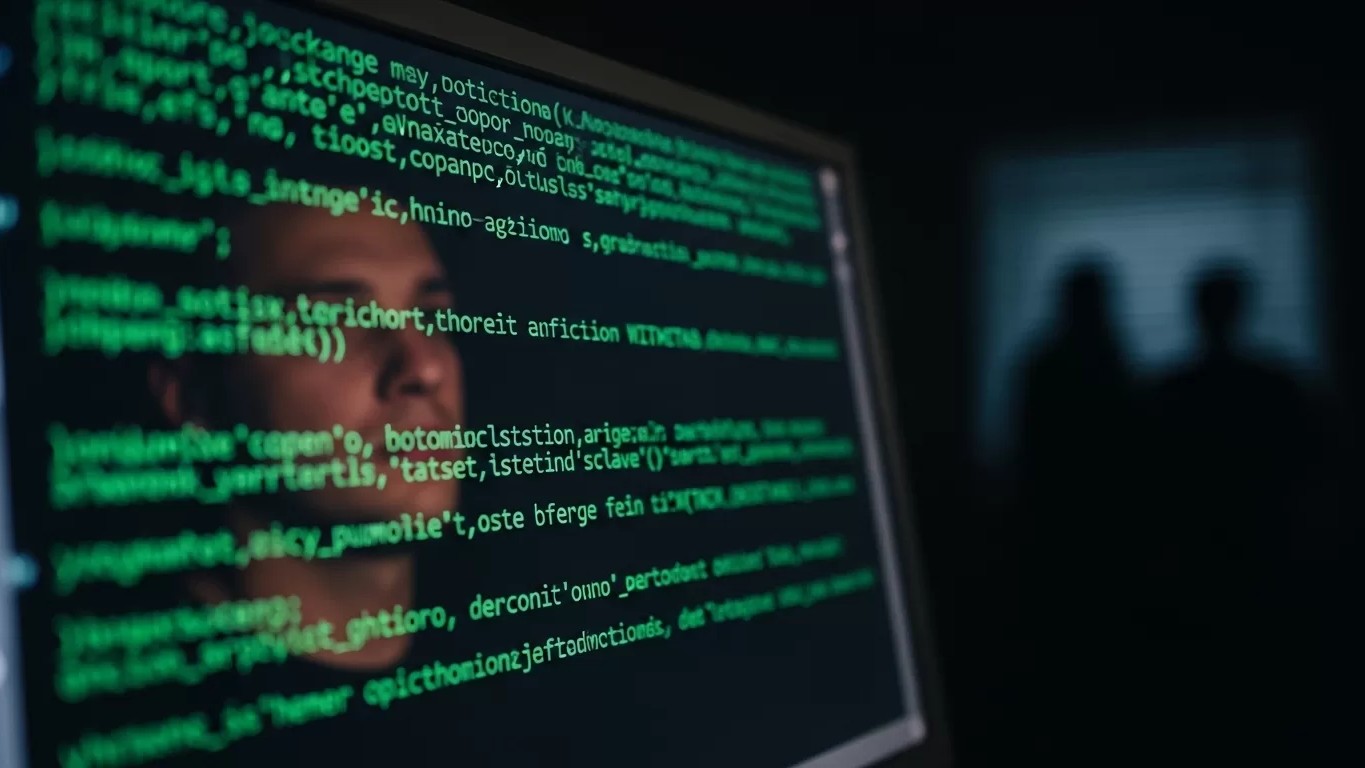
There is a part of the internet that cannot be easily accessed through ordinary search engines. Known as the dark web, it is associated with anonymous communication, the buying and selling of stolen data, drug trafficking, and illegal trade. However, not all activities on the dark web are illegal. It is also used for journalism, confidential communication, and protecting personal privacy.
Recently, reports that the personal information of around 3,897 customers of India’s State Bank of India (SBI) was found on the dark web have brought renewed attention to this hidden part of the internet. The leaked information reportedly included names, mobile numbers, dates of birth, email addresses, home addresses, and loan-related details.
What Is the Dark Web?
The internet is commonly divided into three parts: the surface web, the deep web, and the dark web.
Surface Web: The surface web consists of websites that can be found through search engines such as Google and Bing. News websites, online shopping platforms, and publicly accessible blogs are examples.
Deep Web: The deep web includes online content that is not generally indexed by search engines and often requires a login or special permission to access. Personal email accounts, online banking accounts, hospital patient records, and internal corporate information are examples. Most of the deep web is used for legitimate, everyday purposes.
Dark Web: The dark web is a small part of the deep web that may require specialized software or networks to access. The Tor network is one of the best-known ways to access it. It can make it easier to conceal the identities of users and websites. However, anonymity does not guarantee complete security or make users impossible to identify.
What Happens on the Dark Web?
The dark web has both legal and illegal uses. However, it has attracted particular attention because of the trade in stolen information and services linked to cybercrime.
1. Buying and Selling Stolen Personal Information
When hackers steal information from a bank, company, or online service, they may attempt to publish or sell it on dark web forums. Such information can include names, phone numbers, addresses, email addresses, passwords, and financial details. Criminals may use this information to commit fraud or identity theft.
2. Hacking Tools and Services
Some illegal marketplaces offer stolen accounts, malicious software, phishing tools, and services designed to carry out cyberattacks. These may be used to take over personal accounts, infiltrate corporate networks, or steal confidential information.
3. Drug Trafficking and Illegal Trade
Certain dark web marketplaces facilitate the sale of drugs, forged documents, stolen goods, and other prohibited items. Organized criminal groups may also be involved in these transactions. However, not every dark web website or transaction is associated with illegal activity.
4. Independent Journalism and Confidential Communication
Some journalists, human rights activists, researchers, and people facing persecution or surveillance use dark web-based services to communicate anonymously. Certain news organizations also provide secure systems through which sources can share documents confidentially. Such activities can serve legitimate purposes.
5. Data Leaks and Cyberattack Claims
After attacking an organization's network, criminals may threaten to publish stolen information. They sometimes release sample data to demand money or advertise entire datasets for sale. However, the appearance of information on the dark web does not automatically prove that it is authentic, complete, or newly stolen.
What Are the Risks of Having Information Exposed on the Dark Web?
When personal information is leaked, criminals may use it for impersonation, targeted phishing, account intrusion, and financial fraud. The risks can be greater when banking information or identity documents are exposed.
For example, if a customer's name, phone number, and banking-related information are leaked together, a fraudster may pose as a bank employee and ask for an OTP or password. The information could also be used to create convincing fake messages or emails.
However, the exposure of a name or phone number alone does not automatically allow someone to withdraw money from a bank account.
Is the Dark Web Completely Safe and Anonymous?
No. Even when specialized networks are used, there is no guarantee that a user's identity will remain completely hidden. Misconfigured software, malicious files, fraudulent websites, or the disclosure of personal information can expose a user's identity. Law enforcement agencies can also identify criminals through various technologies and investigative methods.
Some dark web websites pose risks involving scams, malware, and illegal content. Visiting unfamiliar links, downloading unknown files, or sharing personal information out of curiosity can therefore be dangerous.
How Can You Protect Your Personal Information?
To protect personal information online, cybersecurity experts generally recommend the following precautions:
1. Use strong, unique passwords for every important account.
2. Enable two-factor authentication whenever possible.
3. Never share OTPs, PINs, or passwords with anyone who requests them through a phone call, email, or message.
4. Avoid suspicious links and files from unknown sources.
5. Contact your bank immediately if you notice unusual transactions.
6. If you learn that your information has been exposed, change the affected account passwords and take appropriate security measures.
Ultimately, the dark web is not exclusively a place for criminal activity. It is a part of the internet where legitimate privacy-focused communication exists alongside illegal operations. Given the risks of data theft and misuse, online vigilance, strong security practices, and the timely detection of data breaches remain essential.
Conditions:
You cannot use abusive words/sentences. You can't sneer at anyone. You cannot give aggressive statement to anyone.
More Capital (রাজধানী)