How Much of Bangladesh’s Expectations Will Be Fulfilled by the Japan Visit!

Last updated: 10/26/2026 2:02:00 PM
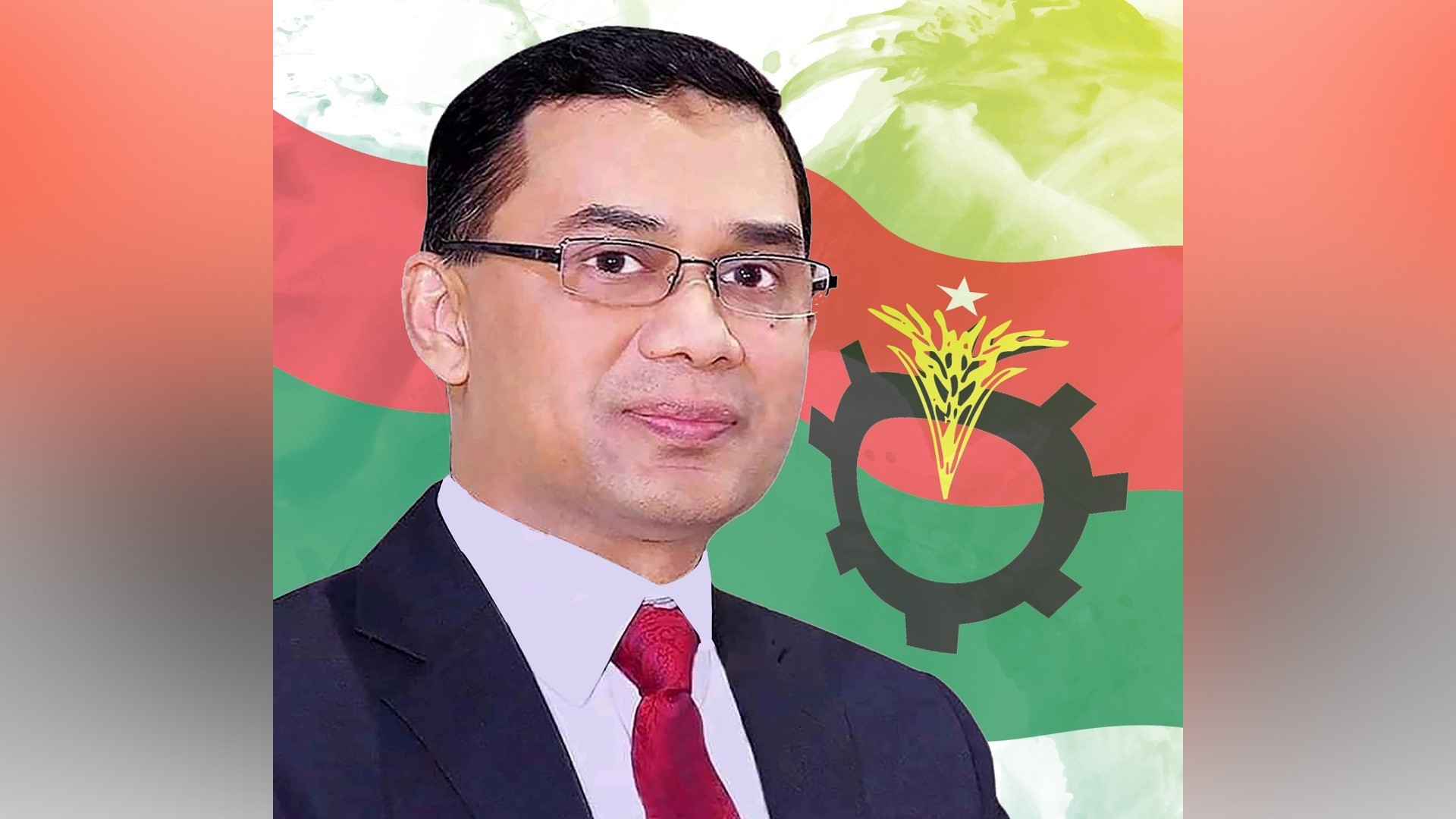
Bangladesh Prime Minister Tarique Rahman’s four-day official visit to Japan from October 26 to 29 comes at a critical moment for the country’s economy. With foreign exchange pressures, sluggish investment, employment challenges and the need to diversify exports, Dhaka is looking to strengthen its long-standing partnership with Tokyo. The visit is not merely about securing new loans or financial assistance. It is also an opportunity to review existing debt obligations, attract Japanese investment, expand market access for Bangladeshi products and build a more balanced economic relationship.
Japan has been one of Bangladesh’s most important development partners for decades. Japanese assistance has supported major infrastructure projects, including roads, power facilities and transport networks. Yet the growing scale of development financing also raises an important question: how can Bangladesh secure the benefits of continued cooperation while managing its long-term financial obligations?
One of the key issues expected to feature in discussions is the possibility of reducing interest rates on existing Japanese loans. If successfully negotiated, more favourable terms could ease future debt-servicing pressures. However, the actual benefit would depend on which loans are covered, the extent of any interest-rate reduction and the revised repayment conditions. New financing must also be assessed carefully, with attention to interest rates, repayment periods and the economic returns of funded projects.
Reports ahead of the visit have also highlighted discussions around a potential financial assistance package worth approximately US$2 billion. Such support could help Bangladesh meet development and budgetary needs. But proposed financing should not be confused with a final agreement or actual disbursement. The terms and conditions will matter as much as the headline amount.
Japanese private investment is another major opportunity. Reports have referred to a possible investment plan of one trillion yen, equivalent to roughly US$6.36 billion, over five years. If translated into actual projects, this could strengthen industrial capacity, create employment and improve Bangladesh’s export potential. Nevertheless, an investment target is not the same as money already committed or projects already implemented. Bangladesh must ensure that announcements are followed by concrete investment decisions.
Trade relations also deserve closer attention. During the 2024–25 fiscal year, Bangladesh exported approximately US$1.41 billion worth of goods to Japan while importing around US$1.91 billion. This resulted in a merchandise trade deficit of about US$503 million. Japanese machinery, vehicles and industrial materials support Bangladesh’s productive capacity, so the deficit alone does not indicate an unhealthy relationship. However, expanding exports and diversifying products remain essential to strengthening Bangladesh’s foreign-exchange position.
The Economic Partnership Agreement between the two countries offers an opportunity to broaden trade and investment. To benefit fully, Bangladesh must improve product quality, meet Japanese market standards, ensure reliable delivery and help exporters explore sectors beyond traditional ready-made garments. Leather goods, jute products, information technology services and higher-value manufactured goods could offer additional opportunities.
Energy security and infrastructure development are equally important. Cooperation in areas such as the Matarbari deep-sea port and energy infrastructure could improve logistics, support industrial growth and strengthen Bangladesh’s long-term economic resilience. These projects, however, must be evaluated not only by their scale but also by their cost, implementation timelines and measurable contribution to the national economy.
Japan, too, has legitimate interests. Its investors seek policy consistency, efficient infrastructure, skilled workers and a predictable business environment. Bangladesh must therefore move beyond diplomatic assurances and address practical obstacles, including delays in approvals, administrative complexity, energy constraints and uncertainty in investment rules.
Ultimately, the success of Tarique Rahman’s Japan visit should not be measured simply by the amount of financial assistance announced or the number of agreements signed. The real test will be whether borrowing costs can be reduced, investment commitments translate into operating businesses, exports increase and new employment opportunities emerge.
For Bangladesh, the priority should be to secure development financing on sustainable terms while creating the conditions for private investment and export growth. A stronger partnership with Japan can contribute significantly to these goals, but only if both sides move from commitments to implementation.
The central question is therefore not how much Bangladesh can obtain from Japan, but how effectively the country can convert cooperation into lasting economic gains. If this visit produces transparent agreements, practical investment plans and measurable progress in trade and debt management, it could mark an important step towards a more resilient and mutually beneficial partnership.
Muhammad Ashikul Alam
Editor, The Mirror News.
Conditions:
You cannot use abusive words/sentences. You can't sneer at anyone. You cannot give aggressive statement to anyone.
More Capital (রাজধানী)