Bangladesh's Labour Export Challenge: A Crisis of Policy, Not Potential

Last updated: 8/3/2026 11:59:00 AM
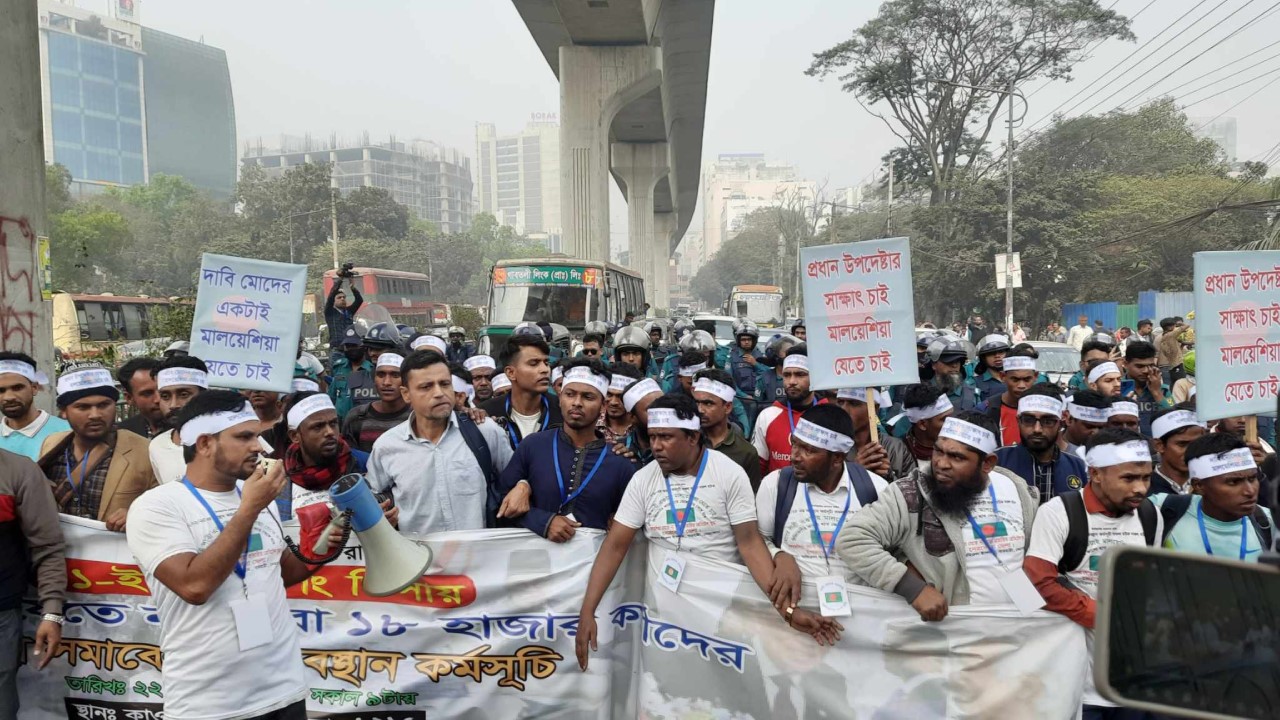
Remittances remain one of Bangladesh's strongest economic lifelines, sustaining millions of families and strengthening the country's foreign exchange reserves. Yet recent disruptions in Malaysia, tighter visa policies in several destination countries, and growing barriers to new labour markets raise an uncomfortable question: Is Bangladesh keeping pace with the rapidly changing global labour market?
The problem does not begin abroad. Much of it begins at home.
For years, overseas employment has too often been managed as a recruitment business rather than a long-term national economic strategy. High migration costs, the influence of informal brokers, weak skills development, and limited transparency have gradually eroded Bangladesh's credibility among international employers. Rebuilding trust is always harder than losing it.
Meanwhile, the global labour market has changed dramatically. Ageing populations, technological transformation, and economic restructuring have increased demand for skilled workers in healthcare, caregiving, construction, renewable energy, logistics, and digital industries. Countries competing with Bangladesh have invested heavily in technical education, language training, and internationally recognised certification. Bangladesh has yet to match that pace.

Yet the opportunity remains significant.
With one of the world's youngest workforces, Bangladesh has the demographic advantage to become a leading supplier of skilled human capital. Achieving that goal, however, requires structural reforms: reducing migration costs, digitising recruitment, strengthening regulatory oversight, expanding vocational education, and making labour diplomacy a central pillar of foreign policy.
The future of overseas employment will not depend on how many workers Bangladesh sends abroad, but on how skilled they are, how fairly they are recruited, and how much confidence destination countries place in Bangladesh's institutions.
The choice is straightforward. Bangladesh can either continue managing migration through outdated systems and gradually lose competitiveness, or embrace reform and reposition itself as a trusted global source of skilled professionals.
The country's greatest export has never been labour alone. It has always been the resilience, adaptability, and ambition of its people. That strength now deserves policies capable of matching it.
Editor | The Mirror News Bangladesh.
Conditions:
You cannot use abusive words/sentences. You can't sneer at anyone. You cannot give aggressive statement to anyone.
More BNP