August 5: A Legacy of Sacrifice and the Promise of a New Bangladesh

Last updated: 8/5/2026 7:40:00 PM
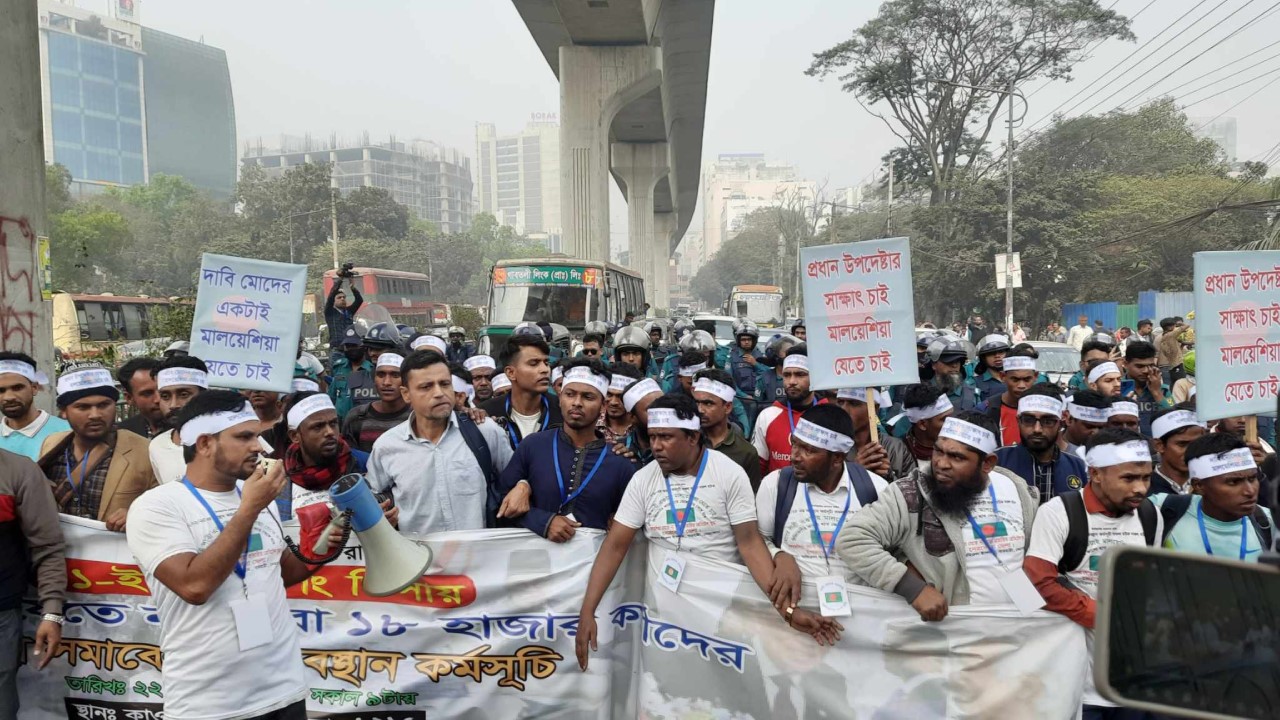
Some dates transcend the calendar and become part of a nation's identity. For Bangladesh, August 5 stands as one such day. Following the mass movement of July and August, the country witnessed a significant political turning point. This period has been described by many as the "July–August Uprising" or the "July–August Mass Uprising." Regardless of the terminology, it represents a defining chapter in Bangladesh's contemporary history, marked by widespread public participation and a collective demand for change.
At the heart of the movement were students and young people, joined by citizens from all walks of life. Their voices carried aspirations for accountability, justice, dignity, and meaningful institutional reform. Their courage, determination, and willingness to stand for their convictions have become an enduring symbol of civic engagement and democratic participation.
The achievements of any popular movement, however, come at a profound human cost. Lives were lost, many others were injured, and countless families continue to bear the pain of those difficult days. Their sacrifice deserves not only remembrance but also a lasting commitment to building a society where human rights are protected, the rule of law prevails, and every citizen's dignity is respected.

History reminds us that while public movements can bring political change, lasting progress depends on strong and accountable institutions. The significance of August 5 therefore extends beyond a change in political leadership. It represents an opportunity to strengthen democratic governance, ensure judicial independence, protect freedom of expression, and reinforce public trust in state institutions.
Like all major historical events, the July–August movement will continue to be interpreted from different perspectives. Such differences are natural in any democracy. What matters most is that history is documented with integrity, that facts are carefully examined, and that national dialogue remains guided by mutual respect rather than division. A nation's future is best secured when it learns from its past without losing sight of truth, justice, and reconciliation.
August 5 should therefore be remembered not only as a day of political transformation, but also as a call to national responsibility. It challenges Bangladesh to move beyond polarization and toward a future built on democratic values, transparency, accountability, and equal rights for all citizens.
The ultimate tribute to those who sacrificed during the July–August movement is not found in speeches or commemorations alone. It lies in fulfilling the aspirations that inspired their struggle: a Bangladesh where justice outweighs power, institutions are stronger than individuals, and every citizen can live with freedom, dignity, and hope. Only then will August 5 be remembered not merely as a historic date, but as the beginning of a more inclusive, democratic, and resilient Bangladesh.
Editor. The Mirror News.
Conditions:
You cannot use abusive words/sentences. You can't sneer at anyone. You cannot give aggressive statement to anyone.
More BNP