How to Maintain a Healthy Weight According to Your Height: A Guide to Planning Your Daily Diet
Last updated: 8/9/2026 11:44:00 AM
Many people start dieting to stay healthy, but the same diet may not work equally well for everyone. A healthy weight for someone who is 5 feet tall may not be appropriate for someone who is 5 feet 10 inches tall. Being underweight relative to height can indicate inadequate nutrition, while excess weight can increase the risk of heart disease, diabetes and fatty liver disease.
Therefore, before starting a diet, it is important to know your healthy weight range based on your height and develop a balanced eating routine accordingly.
How to Determine a Healthy Weight
The first step before starting a diet is to determine your healthy weight according to your height. Generally, a BMI between 18.5 and 22.9 is considered a healthy range for South Asian adults.
For example, a healthy weight range may be around 50–58 kg for someone who is 5 feet 2 inches tall, 54–63 kg for 5 feet 4 inches, 58–67 kg for 5 feet 6 inches and 65–76 kg for 5 feet 10 inches.
If your weight falls significantly outside the healthy range, you may need to adjust your eating habits and lifestyle.
What to Do If You Are Overweight
If your weight is higher than recommended for your height, there is no need to starve yourself. Instead, focus on changing the type and portion of food you eat.
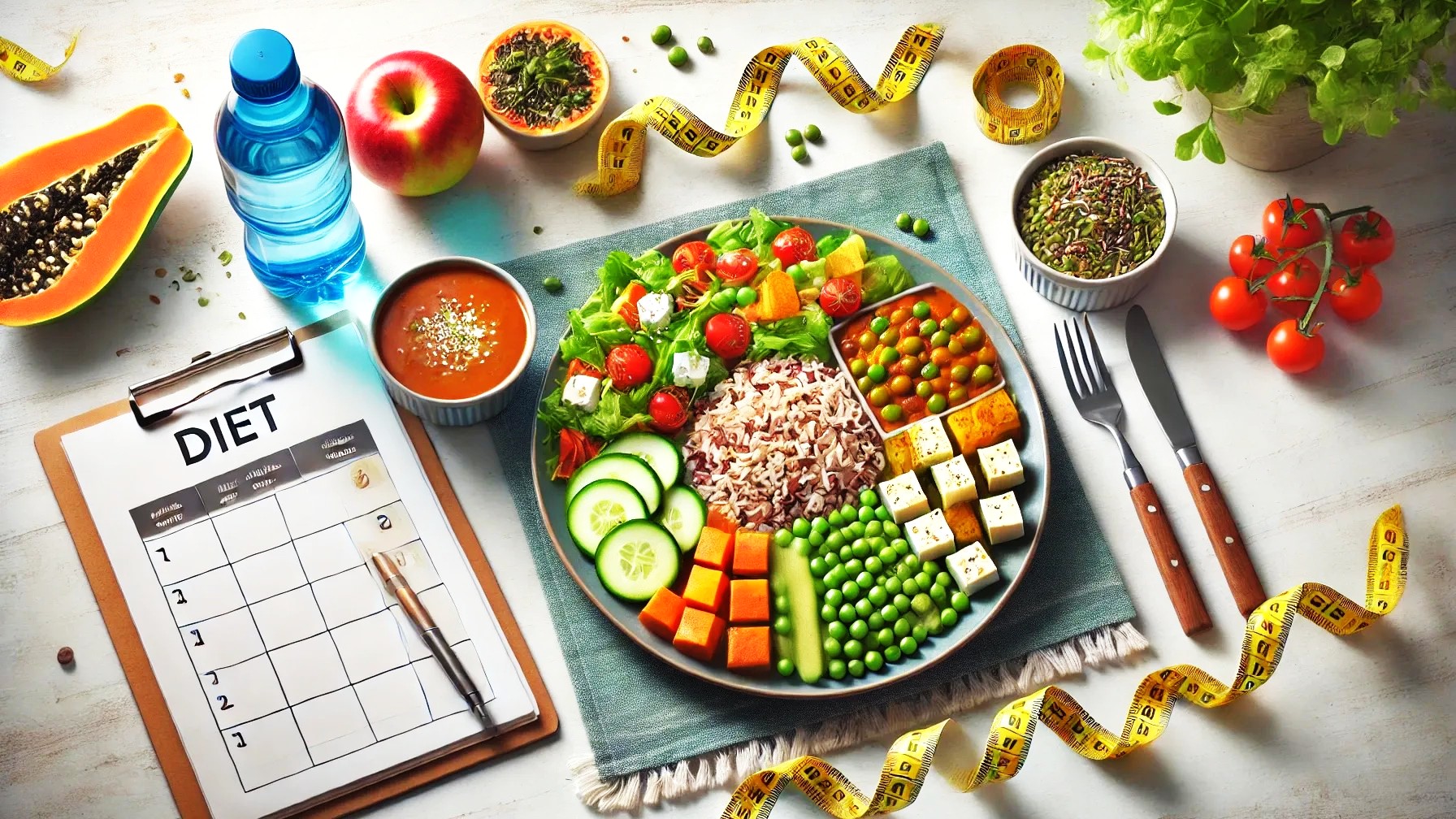
Fill half of your plate with vegetables, one-quarter with protein sources such as fish, eggs, chicken or lentils, and the remaining quarter with rice or roti.
Try to avoid sweets, soft drinks, fried foods and meals containing excessive oil. This can help reduce calorie intake without depriving the body of essential nutrients.
What to Do If You Are Underweight
If you are underweight for your height, simply eating more rice is not enough. Your diet should include adequate protein and healthy sources of calories.
Include eggs, milk, cheese, fish, chicken, lentils, soybeans, nuts and fruits in your daily diet. Along with three main meals, you can have two or three healthy snacks throughout the day.
This can help gradually build muscle and improve overall strength.
Why Protein Is Important
Protein is essential for both weight loss and healthy weight gain. It helps maintain muscle, keeps you feeling full for longer and can reduce the tendency to overeat.
Include good sources of protein such as eggs, fish, chicken, lentils, chickpeas, kidney beans and soybeans in every main meal. Relying too heavily on carbohydrate-based foods can make weight management more difficult.
Do Not Skip Breakfast
Many people skip breakfast in an attempt to lose weight, but this can be counterproductive. Not eating a healthy breakfast may increase the tendency to overeat later in the day.
Start your morning with nutritious foods such as eggs, oats, flattened rice, vegetables, plain yogurt, fruits or a small amount of almonds. A balanced breakfast can provide energy and help maintain more stable blood sugar levels.
Keep Dinner Light
A heavy dinner can make digestion more difficult, particularly if it is high in oil and spices. Choose lighter meals at night and consider reducing the amount of rice while increasing vegetables and protein.
Try to finish dinner at least two to three hours before going to bed. Eating late at night on a regular basis may contribute to weight gain over time.
Exercise Is Essential
Maintaining a healthy weight can be difficult without regular physical activity. Aim for at least 150 minutes of moderate-intensity exercise per week, such as brisk walking, cycling or similar activities.
Strength-training exercises at least twice a week can also help build muscle and increase energy expenditure. A combination of a balanced diet and regular exercise is the most effective approach to long-term weight management.
Build Healthy Lifestyle Habits
Instead of following a crash diet for a few days, the goal should be to develop healthy habits that can be maintained over the long term.
Drink enough water, get around seven to eight hours of sleep, manage stress and monitor your weight regularly. If you are significantly underweight or overweight for your height, consult a doctor or registered dietitian to develop a personalized diet plan.
The key to maintaining a healthy weight is not a temporary diet, but consistent healthy habits.
Conditions:
You cannot use abusive words/sentences. You can't sneer at anyone. You cannot give aggressive statement to anyone.
More BNP